Every room busy. Every practitioner busy. And the owner still isn't paid what they should be. I work one on one with allied health practice owners across Australia and New Zealand, and we start where most coaching never goes: revenue per practitioner, per room and per hour, and what the practice actually pays you.
Book Your Free Strategy CallFree, 30 minutes, no prep needed.
Different modalities, same business problem: busy rooms, thin margin, and no clear line of sight on where the money actually comes from. If you run a practice with practitioners, rooms and a diary, this is built for you.
Your roster is a profit document. Let's read it that way.
Most of the practice owners I work with are women, and a lot of them come to me after a generic business program built for tradies or tech founders left them cold. Allied health business coaching for women is not a different set of numbers. It is the same numbers, in a conversation where you can say out loud that you are the clinician, the owner, the bookkeeper and the one who picks the kids up, and still want the practice to pay you properly. That is the room we work in.
If you have been in the treatment room for ten years and now own a practice with a team, nobody handed you the CEO manual. Allied health CEO coaching is the part of the work that covers reading a profit and loss like an owner rather than a clinician, deciding what the practice can afford, hiring on data, and building a practice that runs smoothly whether or not you are in the treatment room that day. It is why the program is called CEO Profit Coaching: the numbers first, then the leadership that the numbers make possible.
Thirty minutes on Zoom, just you and me. We look at how money moves through your practice and find your single biggest profit lever. You keep it whether we ever work together or not. If deeper help makes sense, the next step is CEO Profit Coaching, private one on one for allied health practice owners. No group program, no lock-in contract.
A good one starts with your numbers, not your goals. Revenue per practitioner, per room and per hour, your real margin after wages and super, and what the practice actually pays you. From there the work covers fees and pricing, marketing, hiring, team structure and how you lead. The point is that every decision gets made on data rather than on how the week felt.
It depends entirely on whether it finds more than it costs. In a practice with even a handful of practitioners, one underpriced service, one poorly utilised room or one hire made on hope instead of numbers can cost more in a year than coaching does. The useful question to ask any coach is how their work pays for itself in a practice like yours. If they cannot walk you through that, keep looking.
Yes. Physiotherapy, chiropractic, podiatry, osteopathy, audiology and multidisciplinary practices across Australia and New Zealand. The modality changes the detail. The business problem is remarkably consistent: rooms and practitioners busy, fees flat, wages and rent climbing, and no clear view of where the money actually comes from.
One on one only. Group programs work well when the problem is motivation, general structure or wanting peers around you. Private coaching is the better fit when the problem is specific to your numbers, when you need to talk about your practice openly rather than in a room of other owners, or when you have already done a group program and nothing changed. If a group is genuinely the better fit for you, I will say so on the call.
Shopping around first? Read how to choose an allied health business coach in Australia, including the five questions worth asking before you sign anything.
Free, 30 minutes, one clear profit lever. Then you decide what happens next.
Free, 30 minutes, no prep needed.

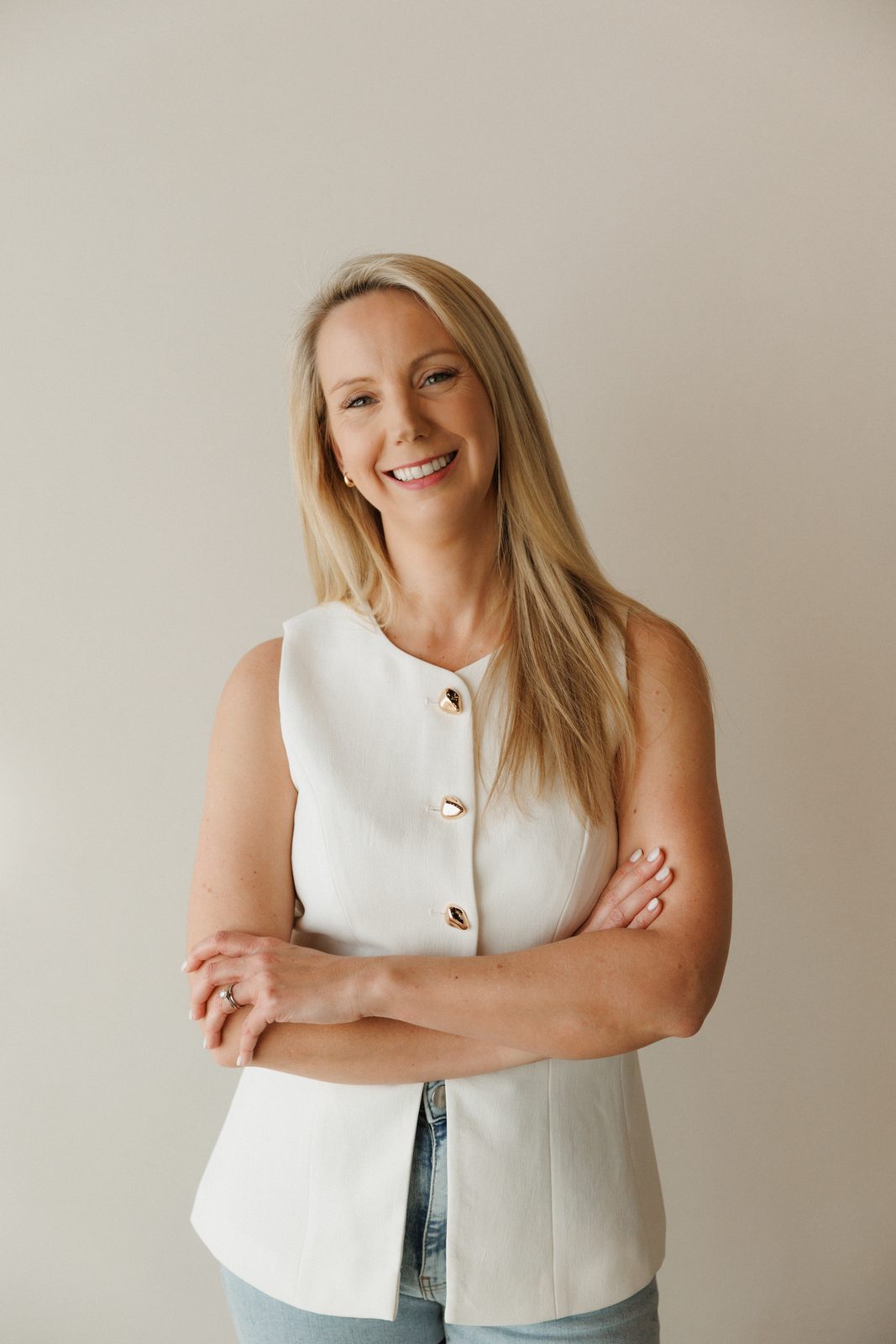
Jess Norton, founder of Clinics Coach. 16+ years in strategy and finance, now helping clinic owners across Australia and New Zealand build businesses that are busy, profitable and free.